How to Choose the Right 4G/5G Router for Your Distribution Business?
7 Key Factors Every Distributor Should Consider Before Choosing a Product
The 4G and 5G router market continues to create opportunities for distributors, importers, and electronics retailers worldwide. As demand for wireless broadband grows, more businesses are looking to expand their product portfolios with 4G LTE CPE, 5G CPE, and portable MiFi devices.
However, choosing the right product is not simply about comparing specifications or finding the lowest factory price.
For distributors, a successful product needs to meet local market demand, offer competitive profit potential, maintain reliable quality, and support long-term business growth.
So, what should you consider before adding a new 4G or 5G router to your product lineup?
Here are seven important factors to help you make a smarter purchasing decision.
1. Understand Your Target Market and Customer Needs
Before selecting a product, understand what your customers actually need.
Different markets have different requirements. In some regions, affordable 4G LTE routers remain popular because they provide a practical alternative to fixed broadband. In other markets, growing demand for high-speed connectivity is creating opportunities for 5G CPE products.
Consider the following questions:
-
Does your target market have stronger demand for 4G or 5G routers?
-
Are your customers mainly home users, small businesses, or mobile internet users?
-
Do they prioritize affordability, network speed, Wi-Fi coverage, or portability?
-
Which LTE and 5G frequency bands are supported by local network operators?
-
What price range is acceptable to your target customers?
For example, in price-sensitive markets, a reliable 4G Cat4 or Cat6 CPE may have greater sales potential than an expensive 5G router.
The best product is not necessarily the most advanced one. It is the product that best matches your local market demand.
2. Look for Product Differentiation, Not Just Specifications
If you sell exactly the same router as dozens of other distributors, price competition can become difficult to avoid.
Instead of focusing only on maximum download speeds or Wi-Fi standards, look for products that offer something different.
Here are some features worth considering:
-
Network performance: 4G Cat4, Cat6, or 5G connectivity.
-
Wi-Fi capability: Wi-Fi 5 or Wi-Fi 6, single-band or dual-band configurations.
-
Connectivity options: Different numbers of Ethernet ports and additional interfaces.
-
Portability: Compact designs or optional built-in batteries.
-
Special configurations: Products designed for specific applications or customer groups.
For example, a Mini CPE can offer an interesting alternative to traditional home routers and portable MiFi devices. Combining a compact design, SIM-based internet access, Wi-Fi connectivity, and an Ethernet port, it can serve users who need a small but versatile wireless networking solution.
A differentiated product gives distributors more opportunities to stand out rather than competing solely on price.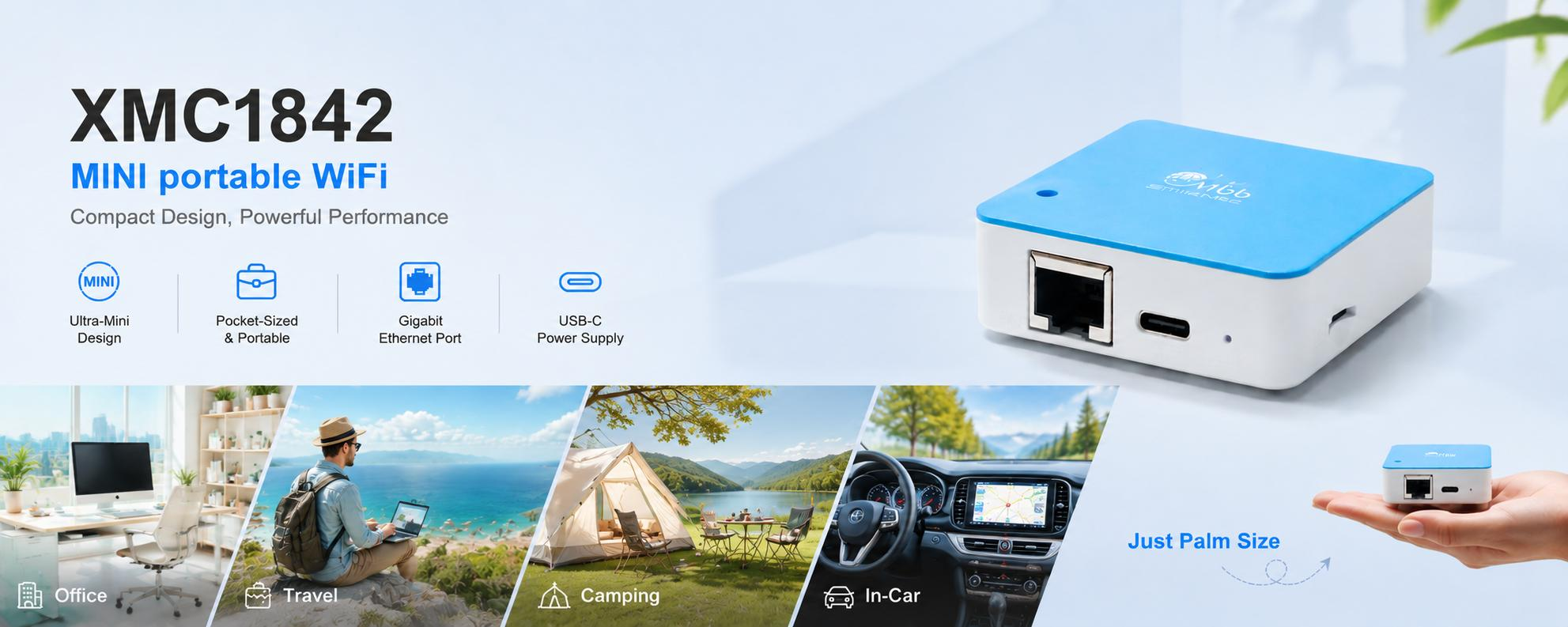
3. Evaluate the Profit Margin Beyond the Purchase Price
A low factory price does not automatically mean a profitable distribution business.
Before placing an order, calculate the total cost of bringing the product to your market.
Your cost structure may include:
-
Product purchase price.
-
International shipping and import duties.
-
Local certification and compliance expenses.
-
Marketing and distribution costs.
-
Warranty, technical support, and after-sales expenses.
You should also evaluate the competitive retail price and the profit margin available to your distribution channels.
For example, a slightly more expensive router with better product differentiation may offer more pricing flexibility than a low-cost model that is already widely available.
Think about the overall business return, not just the initial purchasing cost.
4. Check Product Quality and Reliability
Product quality directly affects your reputation as a distributor.
Even if a router has attractive specifications and a competitive price, frequent failures, unstable connections, or inconsistent performance can lead to customer complaints and costly returns.
Before choosing a supplier, pay attention to:
-
Product stability and reliability testing.
-
Wi-Fi and network performance.
-
Hardware and component quality.
-
Production quality control procedures.
-
Batch-to-batch consistency.
-
Warranty policies and technical support.
It is also advisable to evaluate product samples before committing to a large order.
A reliable product helps distributors reduce after-sales risks, maintain customer satisfaction, and build long-term business relationships.
5. Choose a Supplier That Can Support Your Long-Term Growth
Selecting a router supplier is not just about completing one purchase. It is about finding a manufacturing partner who can support your business as it grows.
When evaluating suppliers, consider their capabilities in several areas:
Manufacturing capability
Can the supplier maintain consistent production quality and meet your expected order quantities?
R&D and technical support
Can they provide technical assistance and adapt products to changing market requirements?
OEM/ODM services
Can they customize hardware, software, product appearance, and packaging?
Supply chain stability
Can they support repeat orders and maintain product availability over time?
A supplier with strong manufacturing and customization capabilities can provide more value than one that simply offers competitive quotations.
6. Consider Building Your Own Brand Instead of Only Selling Established Brands
This is one of the most important strategic decisions for distributors.
Selling established brands can be a convenient way to enter the market. However, when multiple distributors sell identical products, competition often becomes centered on pricing and availability.
Developing your own router brand offers a different business opportunity.
Why Consider a Private Label Router Business?
1. Build Your Own Brand Identity
Your logo, packaging, product design, and software interface can help establish a recognizable identity in your local market.
2. Gain More Pricing Flexibility
With your own brand and product positioning, you have greater flexibility to develop pricing strategies that suit your target customers and distribution channels.
3. Create Product Differentiation
OEM/ODM customization allows you to select suitable hardware configurations, product appearances, and software features rather than simply reselling standard products.
4. Build Customer Loyalty
Customers who recognize and trust your brand are more likely to return for future purchases and recommend your products.
5. Develop Long-Term Brand Value
Instead of relying entirely on another manufacturer's brand reputation, you gradually build your own market presence and customer relationships.
What Can Be Customized?
Depending on the product and project requirements, private label router solutions may include:
-
Company logo and product branding.
-
Customized retail packaging and user manuals.
-
Customized WebUI and software interface.
-
Hardware configurations and product appearance.
-
Product specifications tailored to local market requirements.
You do not necessarily need to develop a router from scratch to establish your own brand.
Working with an experienced OEM/ODM manufacturer can help you enter the market with an existing product platform and customize it to match your business strategy.
7. Think About Future Product Expansion
A good purchasing decision should consider not only today's sales opportunities but also your future product portfolio.
As your distribution business develops, customer requirements may change. Having a supplier with a broader product range makes it easier to respond to these changes.
For example, you may start with affordable 4G Cat4 CPE routers and gradually expand into:
-
4G Cat6 CPE routers with higher network performance.
-
5G indoor CPE for high-speed wireless broadband.
-
Portable 4G and 5G MiFi devices.
-
Mini CPE products for compact and flexible connectivity solutions.
A diversified product portfolio allows you to reach different customer segments, cover multiple price ranges, and create more business opportunities.
Final Thoughts: Choose a Product That Builds Your Business
Choosing the right 4G/5G router involves much more than checking network speeds, comparing prices, or selecting the latest technology.
For distributors, the right product should meet local market demand, provide competitive profit potential, deliver reliable performance, and come from a supplier capable of supporting long-term cooperation.
More importantly, consider whether the product can help you develop your own brand rather than simply compete with other sellers offering identical devices.
Don't just look for a router to sell. Look for a product and manufacturing partner that can help you build a sustainable distribution business.
Looking for a Reliable 4G/5G Router OEM/ODM Partner?
At SmileMBB, we specialize in 4G LTE CPE routers, 5G CPE routers, Mini CPE, and portable MiFi devices.
We work with distributors and business partners looking to expand their wireless networking product portfolios or develop their own router brands.
Our OEM/ODM services support customized branding, packaging, WebUI, and product configurations to meet different market requirements.
Whether you are looking for a competitive 4G router, exploring the 5G CPE market, or planning to launch your own private label router brand, we are ready to discuss your project.
Let's explore the right products for your market.
Visit: https://www.smilembb.com/
Contact our team to discuss your OEM/ODM requirements.